Non-pesticide related persistent organic pollutants (POPs)
Persistent organic pollutants (POPs) are toxic chemicals that adversely affect human health and the environment around the world. Because they can be transported by wind and water, most POPs generated in one country can and do affect people and wildlife far from where they are used and released. They persist for long periods of time in the environment and can accumulate and pass from one species to the next through the food chain. POPs are also characterised by their persistence (they do not readily degrade in the environment) and toxicity (they are harmful to living organisms).
Many of the POPs are pesticides. Some however are industrial chemicals such as polychlorinated biphenyls (PCBs), polychlorinated dibenzo-p-toxins (dioxins), polychlorinated napthalenes, brominated flame retardants (BFRs), polybrominated biphenyls (PBBs) and polychlorinated dibenzofurans (furans). Information on furans in food can be found here (x-ref).
In this section we provide information on the POPs outlined below, but this is not a comprehensive list of these contaminants and there a vast number of potential environment contaminants, many of which may be toxic.
Polychlorinated biphenyls (PCBs) and by-product PCBs
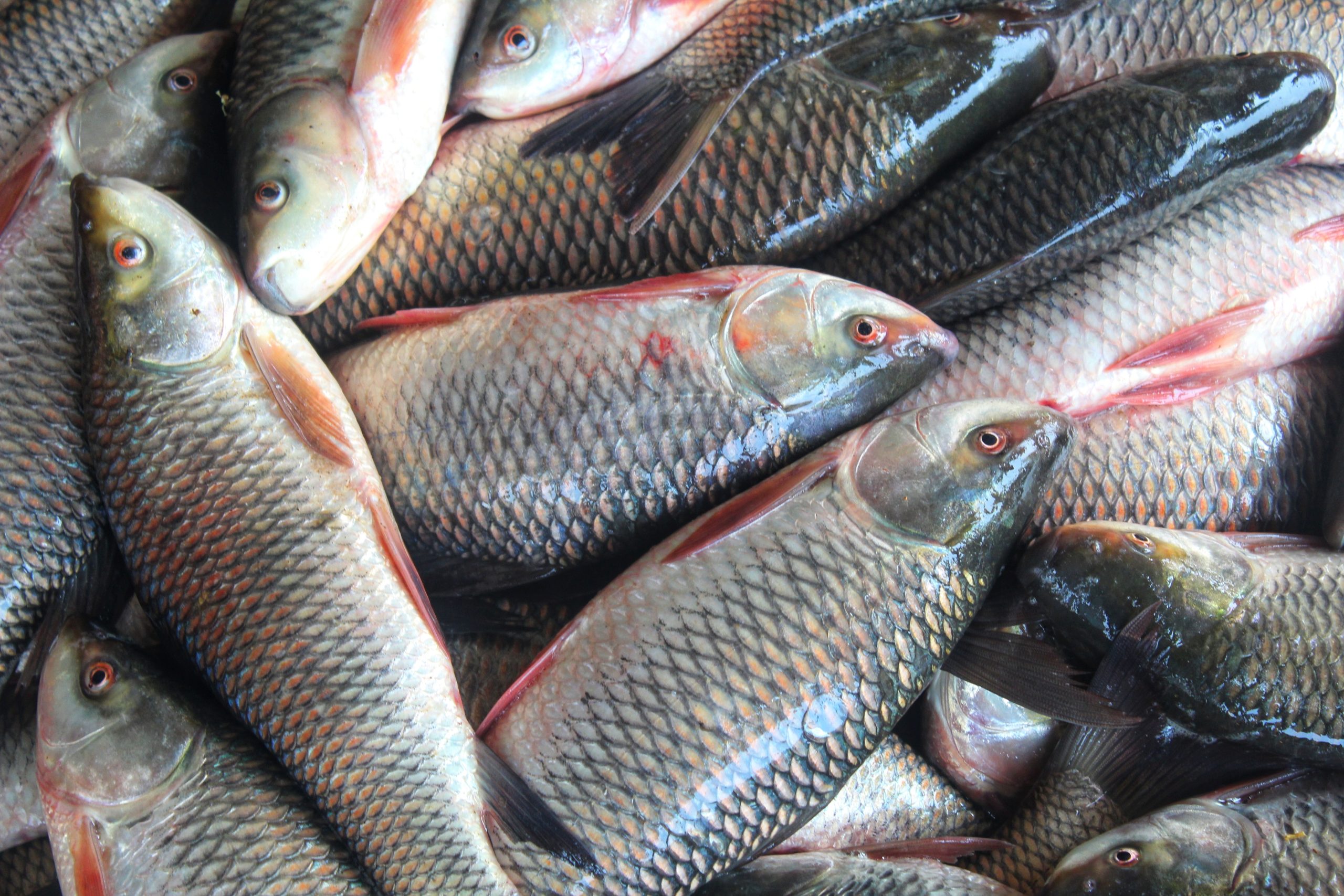
PCBs, industrially created chemicals between 1929-1977, are chlorinated biphenyls bridged by a single carbon-carbon bond and these compounds were historically formed by chlorination of compounds to make waxy solids or light liquids with a number of uses. PCBs were initially produced as a cocktail of 60-120 different chemicals. PCBs were used in electrical transformers and capacitors, motors and hydraulic systems, fluorescent lights, cable insulation, thermal insulation, adhesives, plastics, sealants, copy paper, ink and many other products. PCBs are thermally stable, non-flammable, do not conduct electricity and have high boiling points. During the nearly 5 decades these substances were produced various formulations found there way into literally hundreds of industrial and household products. They can persist in the environment for long periods as well as being able to travel long distances through air and water. The most common exposure route now is food and the major sources are fish and red meat.
Increasing concerns with environmental contamination led to the voluntary cessation of PCB manufacture in the US in 1977 and an outright ban in 1979. Their use was restricted in the UK from 1981. In 2004 the Stockholm Convention of persistent organic pollutants obliged countries to eliminate the use of PCBs by 2025. However, manufacturers may be currently producing more PCBs now than at any other point in history, with estimates showing that US legislation currently permits the generation of more ‘by-product PCB’s’ than during peak production in the 1970’s These by-product PCB’s are being produced unintentionally via other chemical reactions (often in the manufacture of paints, pigments and chlorinated solvents) and these newer PCBs may therefore be present in many chemicals and products we use today. It is estimated that 45,000 tonnes of PCB’s are still created each year in the US alone.
Initial reports of illness associated with PCBs surfaced in the 1930’s and 40’s amongst those manufacturing PCBs and there are a great number of toxicological health impacts reported including respiratory, cardiovascular, gastrointestinal, hematologic, musculoskeletal, hepatic, renal, endocrine, dermal, ocular, immunologic, neurologic, reproductive, developmental, genotoxic and carcinogenic effects. There are many PCBs and many metabolites so a vast array of toxicological outcomes would not be unusual.
Polychlorinated Napthalenes (PCNs)
PCNs are an industrial chemical produced over most of the 20th century, although their manufacture is currently banned in some countries. They were sold as lubricant technical mixtures for mineral oils and some were known by name (e.g. Halowax in the US, Seekay in the UK) but PCNs are also used in electric cable insulation, as paper and fabric preservatives and as plasticizers. PCNs can also be formed during the incineration of other products. These compounds have high thermal stability, low flammability, good weather resistance and good electrical insulating properties which also makes them very persistent in the environment. In humans severe skin reactions and liver disease have been reported after occupational exposure to PCNs and other symptoms found in workers include liver cirrhosis, irritation of the eyes, fatigue, headache, anaemia, haematuria (blood in the urine) and nausea. Workers exposed to PCNs also had a higher risk of all cancers combined and due to their similarity in structure to the highly toxic dioxins it is likely they will also have embryotoxicity, hepatoxicity, immunotoxicity and teratogenicity.
Little is known about their presence in the food supply but they have been measured in fish from the Great Lakes and in other marine animals globally. Fewer studies have investigated everyday food items. A Spanish study reported the highest concentration in the food supply was from oils and fats, cereals, fish and shellfish, and showed that children had higher exposure than adults per kg bodyweight. An investigation of PCN in UK foods showed some presence in all 44 of the studied foods – meat, milk, fish, dairy, eggs, vegetables and fruit. The highest concentrations were found in fish and this was also found in a study in Ireland. Whilst the levels of PCNs alone in food would not be linked to toxicological concerns, PCN toxicity is likely to add to the cumulative toxicity of other dioxin like compounds and there is increasing information on how humans may be exposed to these chemicals.
EFSA gave a scientific opinion on the risks for animal and human health related to the presence of polychlorinated naphthalenes (PCNs) in feed and food in 2024. Due to a lack of data only hexa-chlorinated napthelenes (hexaCNs) were considered. Taking account of the uncertainties affecting the assessment, EFSA concluded with at least 99% certainty that dietary exposure to hexaCNs does not raise a health concern for any of the population groups considered. Due to major limitations in the available data, no assessment was possible for genotoxic effects or for health risks of PCNs other than hexaCNs. It is however concluded in many areas that PCNs are entering the environment in a quantity or a concentration or under conditions that have or may have an immediate or long-term harmful effect on the environment or its biological diversity.
Mixed Bromochloro Dibenzo-p-dioxins and Dibenzo furans and Mixed Bromochloro Biphenyls (PXDDs and PXBs)
These are inadvertent byproducts of combustion and chemical processes and some of these have been shown to have similar health effects in test animals to the dioxin TCDD (see Dioxins). There is very limited information on the occurrence of these compounds in the environment, but there are toxicological reports from Europe and the US which suggest these are highly toxic compounds. There are however a large number of compounds in these groups (estimated at over 1000) so isolating and measurement of these is difficult and they also share molecular fragments with many other contaminants such as PCBs and PCNs. Toxicological studies have focused on the tetra- and pentahalogenated compounds, around 100 of which are likely to be toxicologically significant. Studies have reported these chemicals in food, particularly shellfish, and whilst individual chemicals may not be found at high risk levels it is likely that the full-range pf PXXDs and PXBs from the diet might make a significant contribution.
Dioxins (PCDDs and PCDFs)
Dioxins is a group name for polychlorinated dibenzo-p-dioxin (PCDDs) and polychlorinated dibenzofuran (PCDFs) and there are 210 dioxin compounds recognised, 17 of which are highly toxic. Dioxins are formed during the manufacture of chemicals and incineration of municipal, hospital and industrial waste. Dioxins can form in any combustion system where chlorine is present, PCBs are major precursors. 2,3,7,8-Tetrachlorodibenzo-p-dioxin (2,3,7,8-TCDD) is a class 1 carcinogen as is the PCDF 2,3,4,7,8-pentachlorodibenzofuran. These are also highly potent immune suppressants and many chronic diseases are associated with chronic dioxin exposure. In animals dioxins have been linked to endometriosis, developmental and neurobehavioural and reproductive effects.
Dioxins are persistent and highly soluble in lipids and they are therefore common environmental contaminants. The major route of exposure for humans is through background levels in food, especially those of animal origin. It has been estimated that 93% of human dioxin exposure comes from the consumption of beef, pork, poultry, other meats, eggs, dairy products, milk and fish. Additional small amounts may come from inhalation, exposure to soil, water and vegetable oils. Food animals are exposed to dioxins via contaminated feed as well as through water and air. The feed becomes contaminated from air pollution and deposition of the residues via the atmosphere. Once consumed the chemicals are transferred to lipid portions of tissues. In lactating cows’ dioxins can be mobilised from fat reserves into milk.
The EU has set maximum levels for dioxins in feed and foods, with different maximum levels for muscle meat of fish and fishery products, eel, fish liver and marine oils.
Brominated flame retardants (BFRs)
BFRs describes a large number (around 75) of commercially produced compounds used in household and electronic products to reduce the risk of fire and these have been produced since the 1950’s. Organohalogen compounds are useful as fire retardants as they can quench free radicals formed during the combustion process. Brominated organics are beneficial as bromine traps free radicals more efficiently that chlorine or fluorine. The production of PBBs was phased out in the 1970’s for the same reason PCBs were, but the overall global production of BFRs remains high. They are produced synthetically in about 70 variants with different chemical properties and are divided into five main groups:
- Hexabromocyclododecanes (HBCDDs) used for thermal insulation in the building industry
- Polybrominated diphenyl ethers (PBDEs) used in plastics, textiles, electronic castings, and electronic circuitry
- Tetrabromobisphenol A (TBBPA) and other phenols used in printed circuit boards, thermoplastics (mainly in TVs)
- Polybrominated biphenyls (PBBs) used in consumer appliances, textiles, plastic foam
- Other brominated flame retardants
BFRs can contaminate the environment, mainly through water, dust, air and soil, from which human exposure occurs. These contaminants may then enter the food chain where they mainly occur in food of animal origin, such as fish, meat, milk and their products.
As there is much diversity of structures of chemicals in this group a number of toxicological outcomes have been associated with BFR exposure some of which have low acute toxicity. Chronic exposure to some chemicals in this group has caused liver, thyroid, reproductive and nervous system anomalies in animals. Epidemiological studies have not shown strong causal links between BFRs and particular diseases. None of the BFRs are considered to be genotoxic. Hexabromocyclododecane (HBCD) and Tetrabromobisphenol A (TBBP-A) have been reported to be endocrine disruptors, interfering with hormonal function and quantity. There is however concern about the presence of the dioxins PBDDs and PBDFs in mixtures and when products using these chemicals are recycled. For example if polystyrene treated with BFR is heated during recycling, dioxins can be released.
Currently, there are restrictions in place for the production, sale and use of products containing PBDEs. In March 2023, ECHA released its regulatory strategy for flame retardants, emphasising the need to minimise the exposure to aromatic brominated flame retardants and identifying them as candidates for EU-wide restriction.
In 2021 EFSA published a scientific opinion on the risks to human health related to the presence of hexabromocyclododecanes (HBCDDs) in food. Experts concluded that current dietary exposure to HBCDDs across European countries does not pose a health concern, with the exception is breastfed infants consuming breast milk in high amounts and with high levels of HBCDDs. In this case EFSA concludes that the exposure may raise a health concern, noting that more data on the levels of HBCDDs in human milk are needed to enable a more robust exposure assessment.
EFSA published a number of scientific opinions on the risks to human health related to BFRs in 2024. In respect to brominated phenols (focusing on 2,4,6-tribromophenol (2,4,6-TBP)) experts concluded that current dietary exposure to 2,4,6-TBP does not pose a health concern for adults or children. However, a risk assessment for breastfed and formula-fed infants could not be conducted due to insufficient data. In respect to tetrabromobisphenol A (TBBPA) and its derivatives, experts conclude that current dietary exposure does not pose a health concern for any age group but experts concluded that current dietary exposure to polybrominated diphenyl ether (PBDEs) in the European population is likely to pose a health concern. The most significant effects relate to the reproductive and nervous systems. A full EFSA review is expected in 2025.
Perfluorooctane sulfonate (PFOS) and Perfluoroctonoic acid (PFOA)
These chemicals have been produced for over 6 decades and are used in formulations in carpets for stain resistance, in textiles electronic devices, fire-fighting foams, surfactants and in the production of many polymers, including polytetrafluoroethylene (PTFE). They have been increasingly detected in environmental samples throughout the world despite production of some compounds in this group ceasing production in the US and EU in 2002. PFOS and PFOA are still produced in China and other emerging economies in Asia in large quantities. The chemicals are leached into the environment from manufacture or from the breakdown of industrial products and humans can be exposed via drinking water, food and household dust. These chemicals have the ability to migrate into meat from non-stick cookware where PTFE has been used for many years.