Substances formed during food processing including polycyclic aromatic hydrocarbons
When we cook or process food in some way substances can be formed which may be harmful to human health. They can form during home cooking and in manufacturing facilities and often low levels cannot be avoided. Processing includes drying, fermenting, refining or heating to high temperatures for example. The formation of process contaminants will depend on the composition of the food as different components like fats, carbohydrates and proteins can react and interact in different ways. Their formation will also depend on factors such as whether there is oxygen or moisture present. Not all process contaminants are harmful to human health but there are a number about which there have been concerns for many years and some new information leading to concern about other potential risks.
4-methylimidazole (4-MEI)
4-methylimidazole (4-MEI) can form at low levels in some foods during cooking, including roasting coffee beans, roasting or grilling meats, and during manufacture of certain types of caramel colouring used in foods.
Acrylamide
Acrylamideis a small water-soluble molecule that is formed during cooking typically at temperatures of 120oC or above in a wide variety of plant-based foods that are carbohydrate rich (for example chips (French fries), crisps, bakery goods such as bread, crackers, rusks and biscuits, baby foods, breakfast cereals and coffee). Acrylamide is formed during the Maillard reaction which involves amino-acids in foods and reducing sugars. Many of the molecules produced by the Maillard reaction are desirable as they improve the foods texture, flavour and aroma. The main challenge is therefore to avoid the formation of acrylamide but retain the important properties of these heated foods.
In 2015 EFSA reviewed acrylamide and concluded that is it is a ‘human health concern’ and a number of reports and assessments have since been produced considering the risk to human populations from acrylamide formation and to provide risk management methods for industry. It has long been noted that infants and young children are at particular risk of consuming higher amounts of acrylamide and a report on acrylamide risks and potential mitigation strategies can be found in publications.
Advanced Glycation End Products (AGEs)
Advanced Glycation End Products (AGEs) form during cooking due to the Maillard reaction, at high temperatures and after prolonged cooking times. AGEs are known to contribute to increased oxidant stress and inflammation, which have been linked to the development of diabetes and cardiovascular disease. AGEs are naturally present in uncooked animal-derived foods, and cooking results in the formation of new AGEs within these foods. Grilling, frying roasting, searing, and barbecuing propagate and accelerate new AGE formation.
Biogenic amines
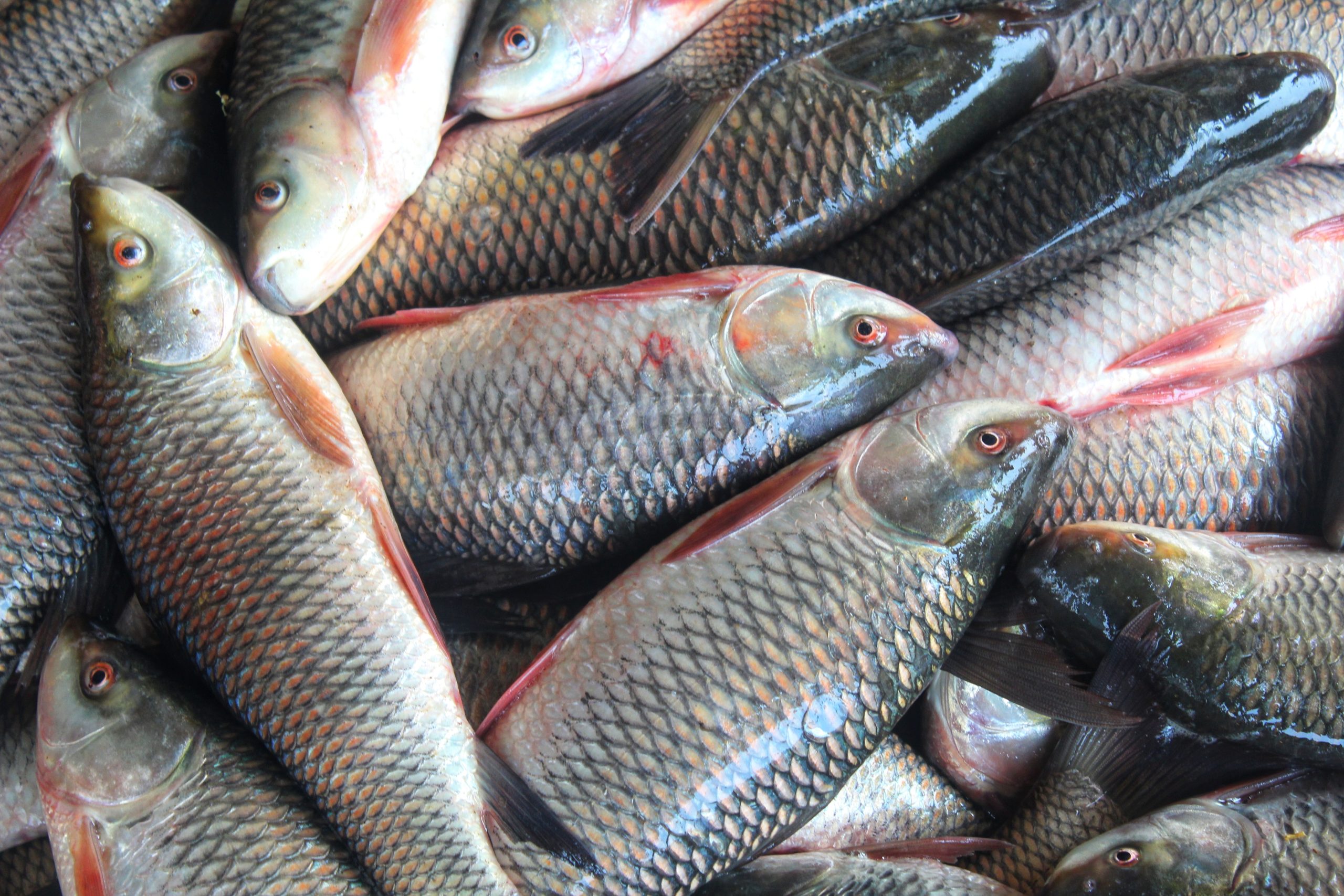
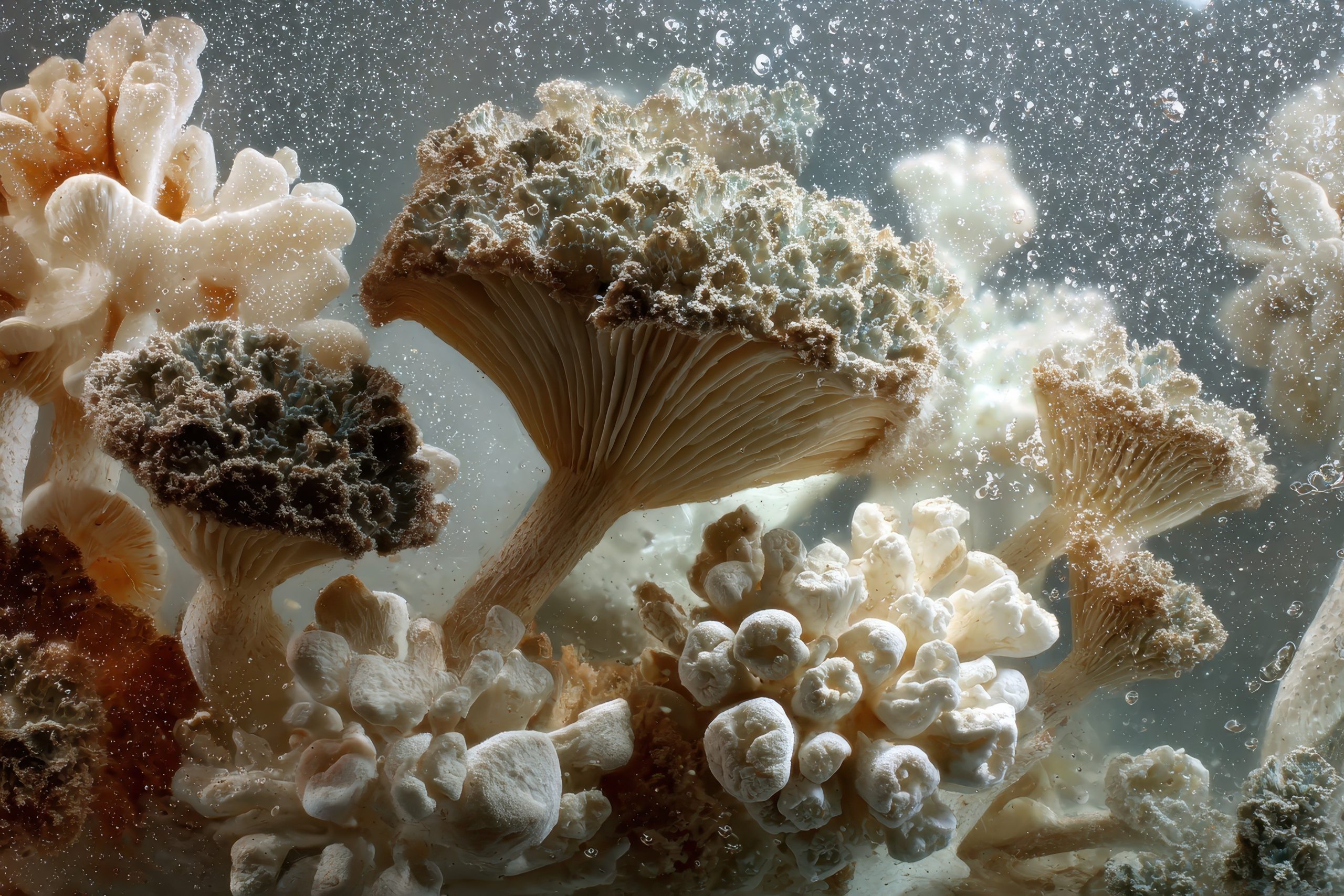
Biogenic amines are formed and degraded during the normal metabolism of animals, plants and microorganisms and they are classified either as aliphatic (e.g. putrescine), aromatic (e.g. tyramine) or heterocyclic (e.g. histamine) amines or according to the number of amino groups: monoamines, diamines or polyamines. Food with relevant polyamine concentrations include fish and fish products, meat, cheese and fermented foods such as beer, wine, sauerkraut or kimchi. Whilst biogenic amines are essential in the body for various functions (regulation of body temperature, stomach volume and pH, control of cell growth and allergic responses, blood pressure control) and act as precursors for modulating protein synthesis, intakes of foods with very high contents of these compounds, especially histamine and tyramine has direct toxic effects or interferes with several medical treatments. Fermented foods rely on starter cultures to control the fermentation process, but external factors such as processing methods, hygiene conditions and storage can impact biogenic amine formation.
Ethyl carbamate
Ethly cabamate can form during fermentation of beverages and foods such as bread, yoghurt kimchi and soy sauce. The highest amounts are found in stone fruit brandies. Whilst there has been evidence of positive genotoxicity and carcinogenicity and it is currently classified as ‘possible carcinogen to humans’ by the International Agency on Research into Cancer (IARC). There are limited epidemiological studies and intakes are likely to be significantly higher in those who drink alcoholic beverages. There are currently no harmonised maximum levels for ethyl carbamate in the EU.
Furans
Furans can be formed during heating and roasting processes, particularly in coffee and chocolate. They can form in some foods during heating, such as cooking, jarring, and canning and have attracted attention due to their widespread occurrence in heated foods. Certain recipes of baby food have been found to have furans at low levels but are a concern. Several studies have been published on furan exposure and toxicity, with furan reported to be a potent hepatocarcinogen (affecting the liver).
Heterocyclic Aromatic Amines (HAAs)
Heterocyclic Aromatic Amines (HAAs) are formed when meat and fish are cooked at high temperatures. They are considered to be potent mutagens and carcinogens. HAAs are produced during the Maillard reaction, which occurs when amino acids, proteins, creatinine, and reducing sugars are heated and this browns food and makes it more appetising and digestible. Considerable data has now been accumulated on the HAA levels detected in cooked food such as meat extracts, beef, pork, hamburgers, bacon, sausages, lamb, chicken, eggs, fish and seafood and generally the number of HAA’s increase with duration and temperature of heating so are found particularly in well done meat.
Monochloropropanediol Esters (MCPDEs) and Glycidyl Esters (GE)
Monochloropropanediol Esters (MCPDEs) and Glycidyl Esters (GE) are formed during the refining of vegetable oils and other processed foods. These contaminants can form in edible oils, such as vegetable oils, during industrial refining when these oils are heated at high temperatures to remove unwanted tastes, colours, and odours. Chloropropanols (3-MCPD and its structural isomer 2-MCPD) were identified more than 35 years ago in savoury sauces and related products but the esters of choloropropanols (MCPDE) were identified as a food borne contaminant in 2005 in industrially refined vegetable oils. The discovery of glycidyl esters (GE) followed shortly after raising additional concern with regard to the possible negative health effects of these substances. The main vegetable oil of concern for development of these substances has been palm oil and there has been concern about high exposures to both MCPDE and GE from infant formulas which often contain different oil mixes.
N-nitroso compounds (NOC)
N-nitroso compounds are chemical contaminants formed during the processing and manufacture of certain foods such as bacon, cheese, cured meat and fish. The types of NOC most frequently found in food include volatile nitrosamines such as N-nitrosodimethylamine (NDMA) and non-volatile nitrosamines such as N-nitrososarcosine (NSAR). Under certain conditions such as pH, temperature and time, NOC can be formed from the reaction of certain compounds with nitrosating agents such as nitrite salts and nitrogen oxides. It is therefore possible for NOC to occur in foods that utilise nitrite salts for preservation and colouring and/or combustion gases for drying.
Polycyclic Aromatic Hydrocarbons (PAHs)
Polycyclic aromatic hydrocarbons can get into food either from the environment or during food processing. PAHs are found in bivalve shellfish (such as mussels or oysters) contaminated from seawater and sediment, smoked products, certain cooked meat products such as flame-grilled burgers and certain types of dried foods, including spices and plant or algal-based supplements can be susceptible to PAH contamination if not dried correctly. Poor practices during smoking and drying of food are the most common cause for PAH contamination of food. Some PAHs are known to cause cancer because they can damage DNA. EFSA identified 16 PAHs that occur in food and are a possible health concern.
Trans-fatty acids (TFA)
Trans fatty acids are produced when liquid plant oils are partially hydrogenated in the presence of heat, metal catalysts and/or high pressure. TFA are also generated in the gut of ruminant animals and small amounts of TFA can be found naturally in dairy products and meat. TFA are defined as fatty acids with at least one carbon-carbon double bond in a trans configuration. TFA contribute to the texture and mouth feel of products and give products greater shelf life. Epidemiological and biochemical evidence suggest the intake of TFA correlates with higher incidence of coronary heart disease, type 2 diabetes and cancer.