Natural Toxins
Natural toxins are toxic compounds that are naturally produced by living organisms. These toxins are not harmful to the organisms themselves but they may be toxic to other creatures, including humans, when eaten. These chemical compounds have diverse structures and differ in biological function and toxicity. Some toxins are produced by plants as a natural defence mechanism against predators, insects or microorganisms, or are produced as a consequence of infestation with microorganisms, such as mould. Other sources of natural toxins are microscopic algae and plankton in oceans or sometimes in lakes that produce chemical compounds that are toxic to humans but not to the fish or shellfish that eat these toxin-producing organisms.
Natural toxins can cause a variety of adverse health effects and pose a serious health threat to both humans and livestock. Some of these toxins are extremely potent. Adverse health effects can be acute poisoning ranging from allergic reactions to severe stomach ache and diarrhoea and long-term health consequences including effects on the immune, reproductive or nervous systems, and the development of cancers.
Aquatic biotoxins
Toxins formed by algae in the ocean and fresh water are called algal toxins. Algal toxins are generated during blooms of particular naturally occurring algal species. Shellfish such as mussels, scallops and oysters are more likely to contain these toxins than fish. Algal toxins can cause diarrhoea, vomiting, tingling, paralysis and other effects in humans, other mammals or fish. The algal toxins can be retained in shellfish and fish or contaminate drinking water. They have no taste or smell, and are not eliminated by cooking or freezing.
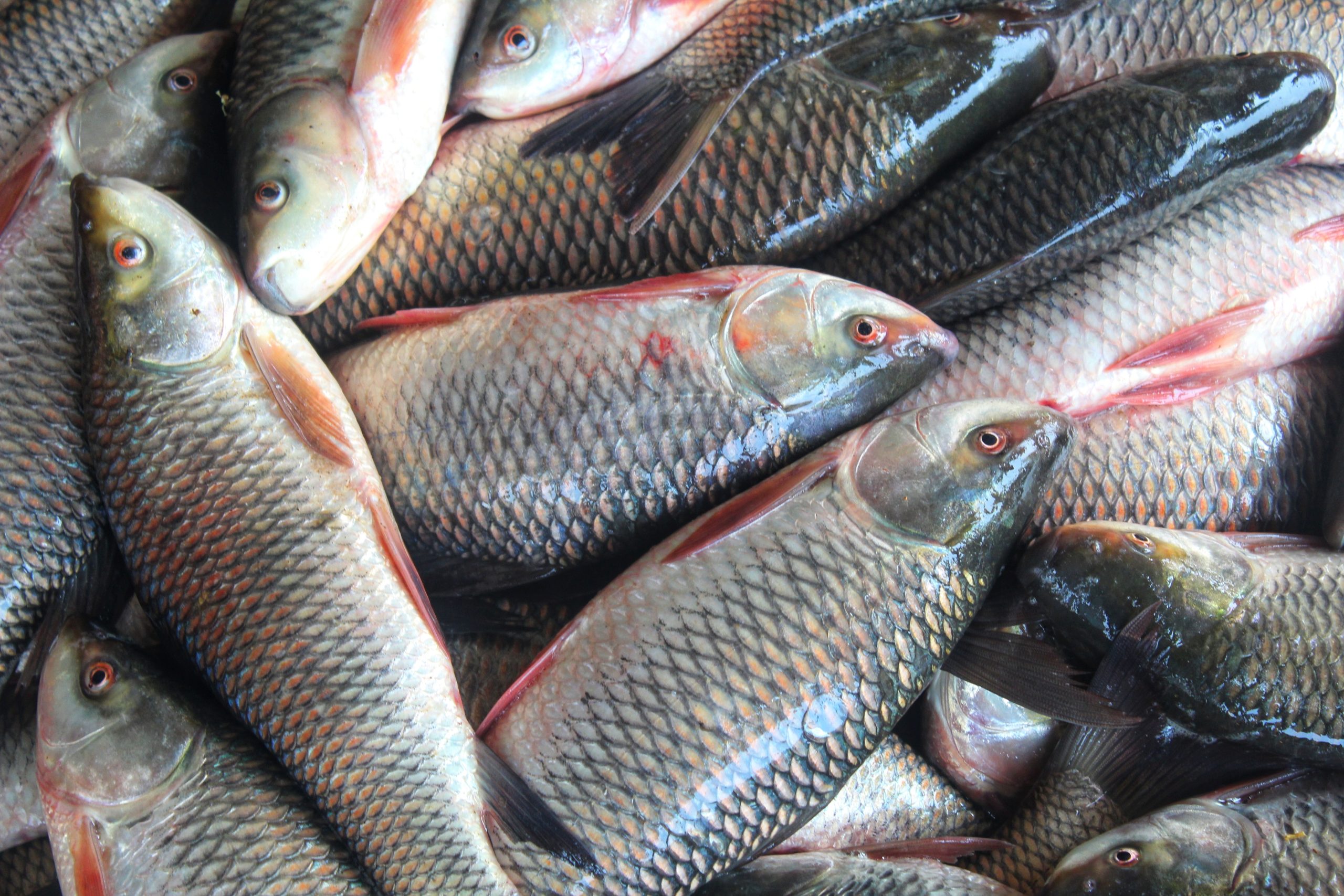
Ciguatera fish poisoning (CFP) is caused by consuming fish contaminated with dinoflagellates that produce ciguatoxins. Some fish known to harbour ciguatoxins include barracuda, black grouper, dog snapper, and king mackerel. Symptoms of ciguatera poisoning include nausea, vomiting, and neurologic symptoms, such as tingling sensation on fingers and toes. There is currently no specific treatment for ciguatera poisoning.
In the UK, paralytic shellfish poisons (PSP), amnesiac shellfish poisons (ASP), and the less toxic diarrhetic shellfish poisons (DSP) are the most common shellfish toxins. During the period of greatest risk (between April and September) notices are posted in areas with high PSP, DSP and ASP levels warning people not to eat shellfish caught locally. Fishing may also be prohibited.
The presence of toxins in bivalve molluscs such as mussels has been a concern for some time and currently COT are considering emerging marine biotoxins in UK waters, including increased occurrence due to rising temperatures as a result of climate change.
In the UK and EU there are currently three major biotoxin groups that are regulated in shellfish, and which are subject to statutory testing to protect human health. In the UK the Agri-Food and Biosciences Institute (AFBI) is the Great Britain (GB) National Reference Laboratory (NRL) for marine biotoxins. The Centre for Environment, Fisheries and Aquaculture Science (Cefas) are designated as the official laboratory (OL) for marine biotoxins in England, Wales and Scotland. Northern Ireland’s NRL for marine biotoxins is Wageningen Food Safety Research (WFSR) and the designated OL AFBI who undertake analysis and reporting of shellfish official controls.
Cyanogenic glycosides
Cyanogenic glycosides are phytotoxins (toxic chemicals produced by plants) which occur in at least 2000 plant species, of which a number of species are used as food in some areas of the world. Cassava, sorghum, stone fruits, bamboo roots and almonds are especially important foods containing cyanogenic glycosides. The potential toxicity of a cyanogenic plant depends primarily on the potential that its consumption will produce a concentration of cyanide that is toxic to exposed humans. In humans, the clinical signs of acute cyanide intoxication can include: rapid respiration, drop in blood pressure, dizziness, headache, stomach pains, vomiting, diarrhoea, mental confusion, cyanosis with twitching and convulsions followed by terminal coma. Death due to cyanide poisoning can occur when the cyanide level exceeds the limit an individual is able to detoxify.
Furocoumarins
These toxins are present in many plants such as parsnips (closely related to carrots and parsley), celery roots, citrus plants (lemon, lime, grapefruit, bergamot) and some medicinal plants. Furocoumarins are stress toxins and are released in response to stress, such as physical damage to the plant. Some of these toxins can cause gastrointestinal problems in susceptible people. Furocoumarins are phototoxic, they can cause severe skin reactions under sunlight (UVA exposure). While mainly occurring after dermal exposure, such reactions have also been reported after consumption of large quantities of certain vegetables containing high levels of furocoumarins.
Lectins
Many types of beans contain toxins called lectins, and kidney beans have the highest concentrations – especially red kidney beans. As few as 4 or 5 raw (or soaked) beans can cause severe stomach ache, vomiting and diarrhoea. Lectins are destroyed when the dried beans are soaked for at least 12 hours and then boiled vigorously for at least 10 minutes in water. Tinned kidney beans have already had this process applied and so can be used without further treatment.
Mycotoxins
Mycotoxins are naturally occurring toxic compounds produced by certain types of moulds. Moulds that can produce mycotoxins grow on numerous foodstuffs such as cereals, dried fruits, nuts and spices. Mould growth can occur before harvest or after harvest, during storage, on/in the food itself often under warm, damp and humid conditions. The impact of food decay induced by moulds is severe leading to a loss of 25% of the world’s total agricultural production. Fungal infections present an acute hazard to consumers because of production of mycotoxins such as aflatoxins, ochratoxin A (OTA) or patulin. Toxins produced by the Fusarium genus (of which there are more than 145 different species, around 1/10th of which are toxin producers) can cause high fungal loads in cereal crops which leads to lower yield, poor grain quality with reduced starch and protein content.
Most mycotoxins are chemically stable and survive food processing. The effects of food-borne mycotoxins can be acute with symptoms of severe illness and even death appearing quickly after consumption of highly contaminated food products. Long term effects on health of chronic mycotoxin exposure include the induction of cancers and immune deficiency.
Citrinin
Citrinin is a mycotoxin produced by several species of fungi of the genera Aspergillus, Penicillium and Monascus and is generally formed after harvest under storage conditions. It occurs mainly in grains but can also occur in other products of plant origin e.g. beans, fruits, fruit and vegetable juices, herbs and spices as well as in spoiled dairy products. In addition, CIT is found as an undesirable contaminant in red mould rice or red yeast rice which is used as a food preservative and colourant in Asian foods and as a dietary supplement thought to reduce blood cholesterol levels. For more information on concerns about citrinin intake in pregnancy follow the link above.
Ergot alkaloids
Ergot alkaloids (EA) are secondary metabolites produced by the fungi families Clavicipitaceae and Trichocomaceae, with Claviceps purpurea being the most widespread Clavicepsspecies in Europe. Ergotism has been well documented throughout history with populations (and animals) exposed to contaminated grains reported to show delirium and hallucinations, accompanied by rigid, extremely painful flexed limbs, muscle spasms, convulsions, and severe diarrhoea. Ergot poisoning can progress to gangrene, vision loss, confusion, unconsciousness and death. Some of the ergot alkaloids are used in medicine and some ergot alkaloids, like LSD, are also known for their psychoactive properties. Ergotamine and dihydroergotamine are ergot alkaloids that act as vasoconstrictors and serotoninergic effects which may also be beneficial in migraine. Ergot alkaloid based drugs are also used to alleviate Parkinson’s disease and
Ergot alkaloids are unsuitable for use in pregnancy because of their ability to disrupt foetal blood supply, which can lead to foetal damage or death. They also can produce uterine contractions and perfusion disturbances in the placenta. For more information on ergot alkaloids and their potential benefits and risks follow the link above.
Poisonous mushrooms
Wild mushrooms may contain several toxins, such as muscimol and muscarine, which can cause vomiting, diarrhoea, confusion, visual disturbances, salivation, and hallucinations. Onset of symptoms occurs 6–24 hours or more after ingestion of mushrooms. Fatal poisoning is usually associated with delayed onset of symptoms which are very severe, with toxic effect on the liver, kidney and nervous systems. Cooking or peeling does not inactivate the toxins. It is recommended to avoid any wild mushrooms, unless definitively identified as non-poisonous.
Pyrrolizidine alkaloids
Pyrrolizidine Alkaloids (PAs) are toxins produced by an estimated 600 plant species as part of their defence mechanisms. The main plant sources are the families Boraginaceae, Asteraceae and Fabaceae. Many of these are weeds that can grow in fields and contaminate food crops. PAs can cause a variety of adverse health effects; they can be acutely toxic and of main concern is the DNA-damaging potential of certain PAs, potentially leading to cancer.
PAs are stable during processing, and have been detected in herbal teas, honey, herbs and spices and other food products, such as cereals and cereal products. Human exposure is estimated to be low, however. Due to the complexity of the subject and the large number of related compounds, the overall health risk has not been fully evaluated yet. Guidance is under development by the FAO/WHO Codex Committee on Contaminants in Food on management strategies to prevent PA-containing plants from entering the food chain.
Solanines and chaconine
All solanacea plants, which include tomatoes, potatoes, and aubergine, contain natural toxins called solanines and chaconine (which are glycoalkaloids). While levels are generally low, higher concentrations are found in potato sprouts and bitter-tasting peel and green parts, as well as in green tomatoes. The plants produce the toxins in response to stresses like bruising, UV light, microorganisms and attacks from insect pests and herbivores. To reduce the production of solanines and chaconine it is important to store potatoes in a dark, cool and dry place, and not to eat green or sprouting parts.