Lizzie Vann Foundation
Food Additives
Additives have been added to foodstuffs for centuries to preserve foods, change the texture and taste of food and increasingly to make food look and taste more attractive using less of the expensive ingredients that might naturally do that. Increasing the shelf-life of foods, and making foods more convenient to the consumer have been major drivers of changing food composition. Whilst some additives have been added to foods for centuries it became apparent in the 20th century that systems were needed to control the compounds that were allowed in foods, and increasingly the levels at which they are allowed. When the countries of the EU first came together to draw up an agreed list of permitted substances and decide how they should be described they decided to use numbers – E numbers – to indicate an additive had been reviewed and was safe. However, consumers will find that both names and E numbers are used on packaging. The use of names by manufacturers may be because consumers who may want to limit the number of additives in the food they and their family consume may be less worried by a name, particularly when an E number has received some bad press.
The official definition of a food additive is provided by the UN committee the Codex Alimentarius Commission. This committee which makes recommendations on global food standards has a procedural manual and this describes additives as:
‘ Any substance not normally consumed as a food by itself and not normally used as a typical ingredient of the food, whether or not it has nutritive value, the intentional addition of which to food for a technological (including organoleptic) purpose in the manufacture, processing, preparation, treatment, packing, packaging, transport or holding of such food results , or may be reasonably expected to result (directly or indirectly) in it or its by-products becoming a component or of otherwise affecting the characteristics of such foods. The term does not include contaminants or substances added to food for maintaining nutritional quality’
That rather long-winded definition basically describes additives as specific components added to do a job in a food product, which can be a natural product, be made ‘identical’ to a product found in nature or which might be entirely manufactured. The EU teases out those substances which are ingredients rather than additives in the EU Commission Regulation (EC) 1333/2008. For example, vinegar and lemon juice are ingredients, but acetic acid and citric acid which have been extracted from these sources are additives.
This EU Regulation (amended in 2013) divides additives into 27 classes of use:
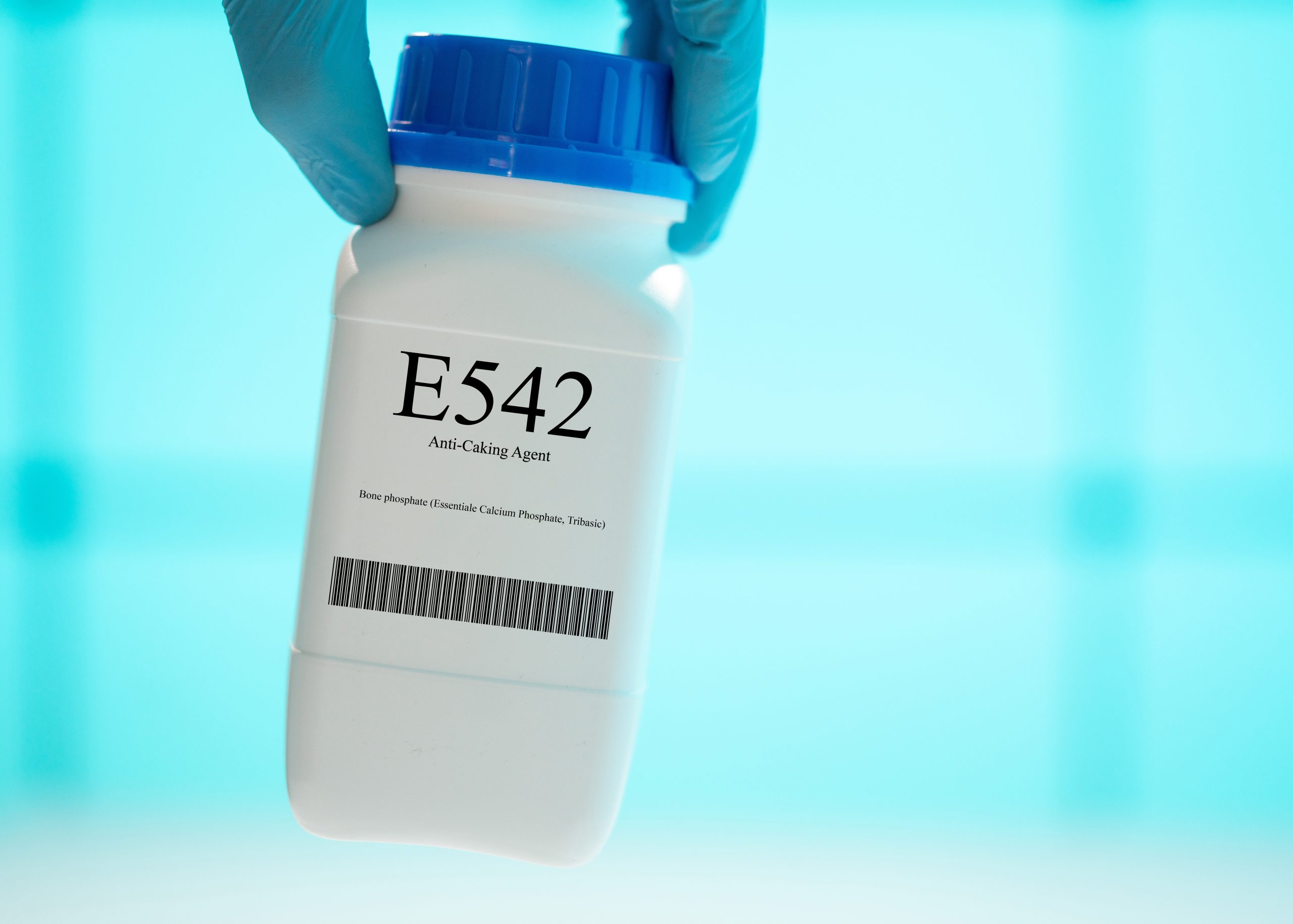
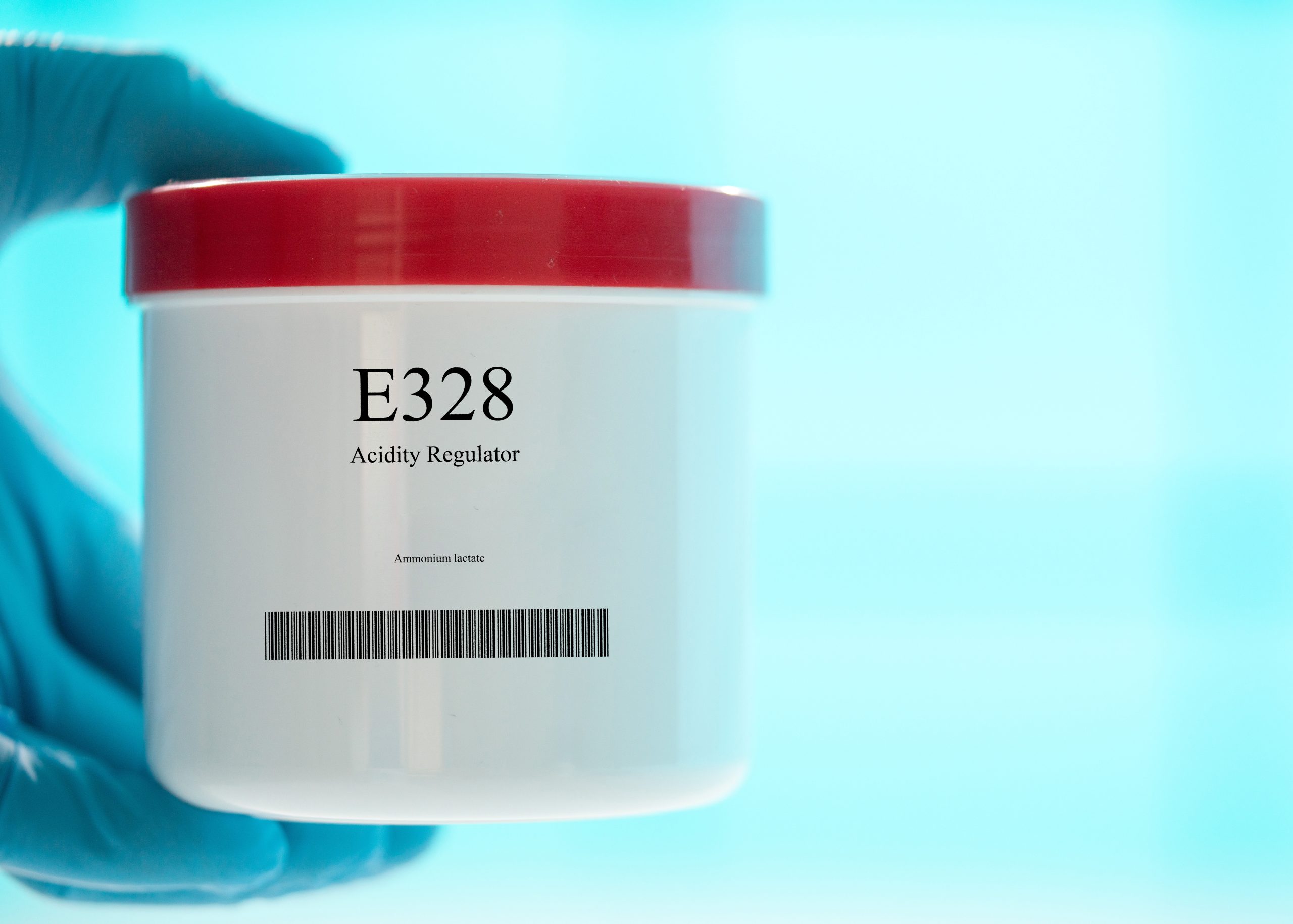
Sweeteners, colours, preservatives, antioxidants, carriers, acids, acidity regulators, anticaking agents, antifoaming agents, bulking agents, emulsifiers, emulsifying salts, firming agents, flavour enhancers, foaming agents, gelling agents, glazing agents, humectants, modified starches, packaging gases, propellants, rising agents, sequestrants, stabilisers, thickeners, flour treatment agents and contrast enhancers.
Flavour enhancers are considered additives but flavourings are treated differently and do not have E numbers. They are divided into sub-categories but the actual substance used as a flavouring does not have to be disclosed. We have included flavourings with flavour enhancers and explain more about why they are treated differently. There are also other substances that are not classified as additives but are used in food production such as solvents and enzymes. You can find out more information about solvents in the contaminants pages (x-ref). Whilst enzymes are not categorised as additives, we have included them in our summary list here.
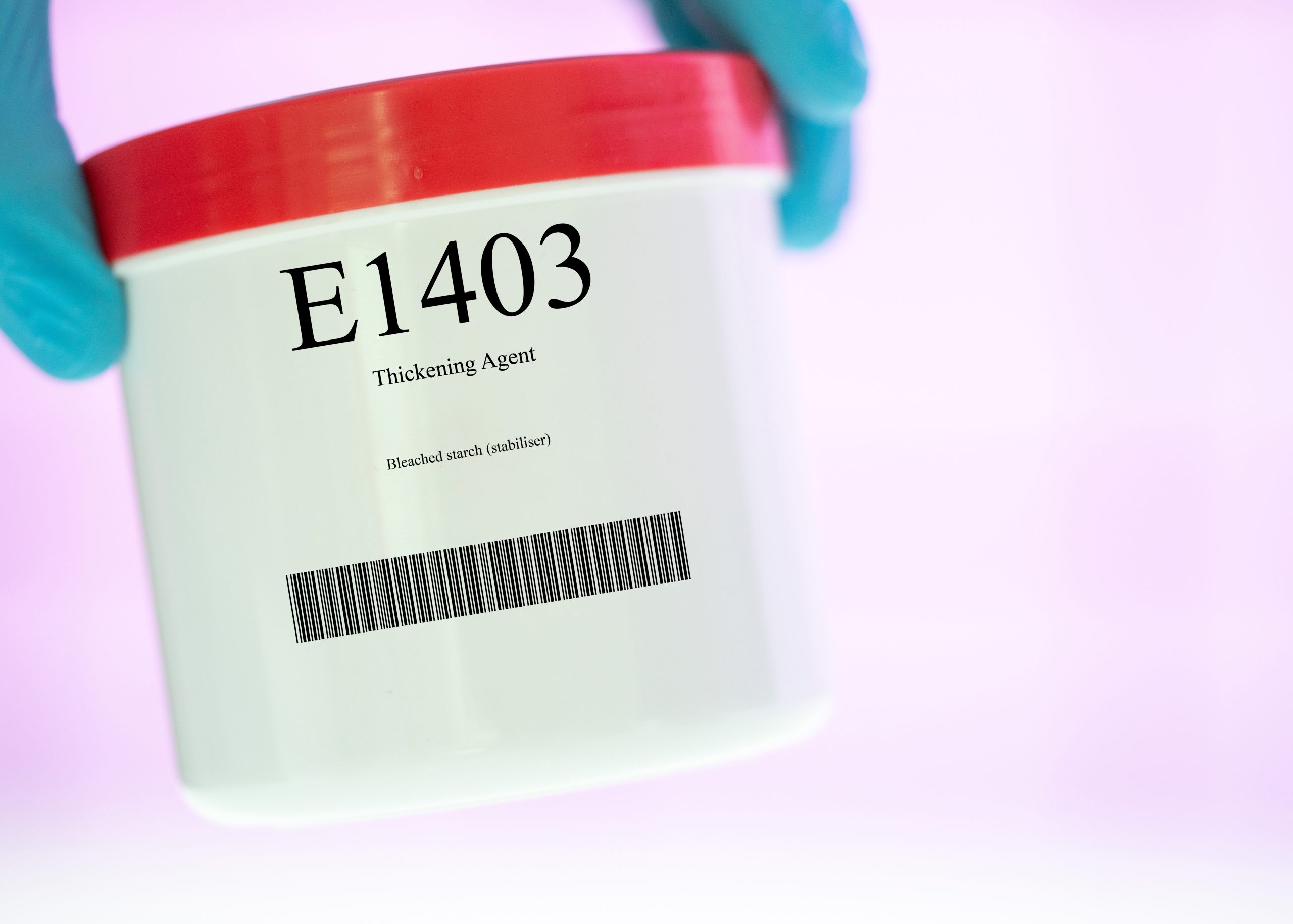
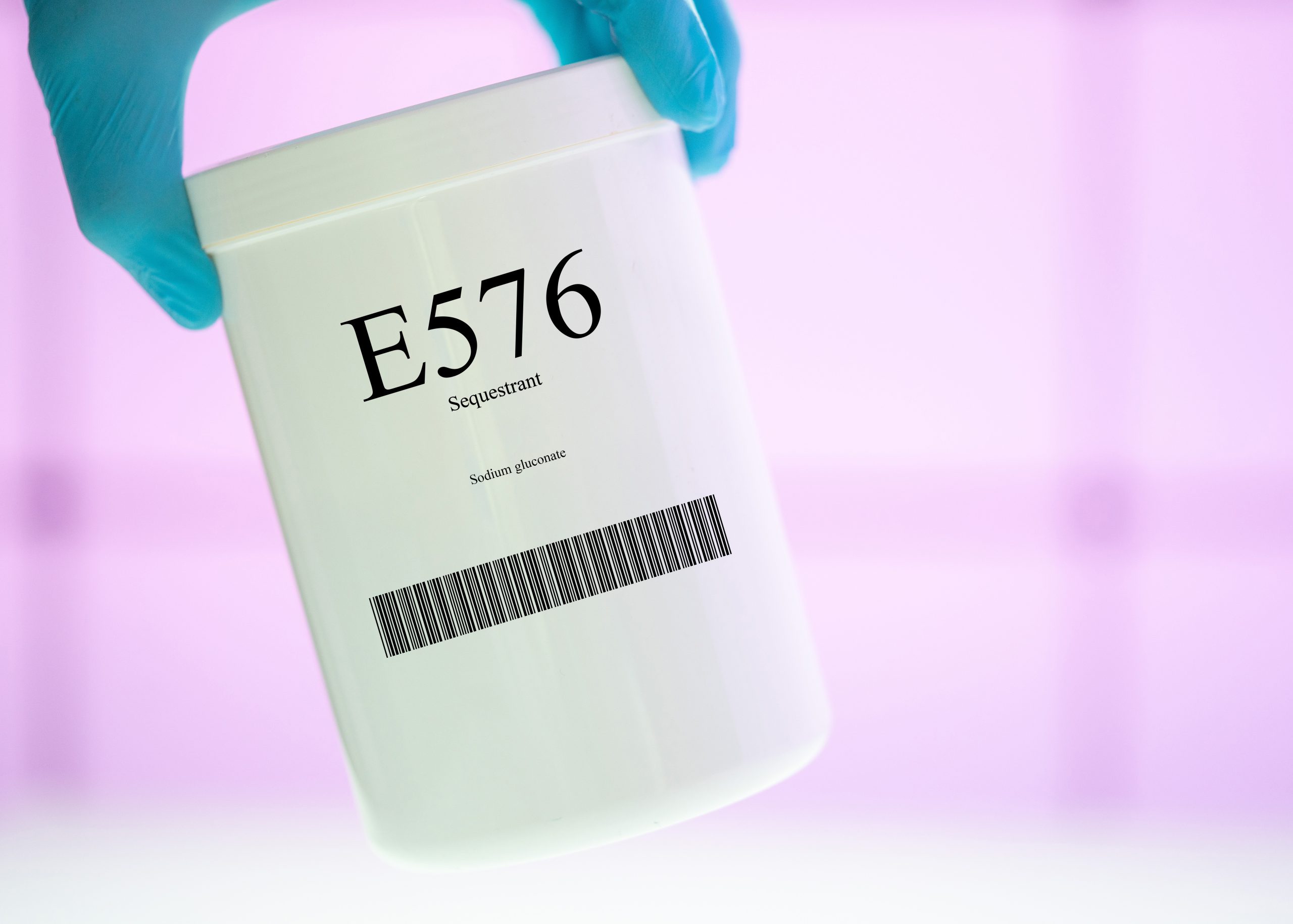
We have grouped some of these together where they have similar uses to give 22 additive groups plus enzymes, and the basic functions of each group of additives is briefly described below. If you click on a category name you will be taken to more information about the specific additives in that group. If you want to know about a particular additive but don’t know which group it falls into you can use the search function at the top of the page.
Browse Additives











Search in Additives
Lizzie Vann Foundation
Are additives safe?
Many additives are derived from natural ingredients, have been used for many years and are essential in the processing and safety of some foods. Where there is no concern about the impact of an additive on health they are allowed in foods in the EU ‘quantum satis’ – this means that there are no restrictions on the amount used.
But many additives have been commercially manufactured from chemical mixtures using a variety of chemical processes and concern about the impact of some additives on health, particularly of children, has also been in the public domain for many years. Whilst concerns about the link between some azo-dye colours and child health and behaviour has been discussed for over 40 years, there is a body of evidence for concern about a wide range of additives, including artificial sweeteners, emulsifiers, preservatives, stabilisers and flavour enhancers as well as concern about ‘cocktails of additives’ which are rarely considered.
Additives and ultra-processed food
More recent work on clusters of additives associated with some dietary habits suggest particular risks for diets high in ultra-processed foods. Additives in processed foods are consumed in combinations within a food and between foods and we really know nothing about how different mixtures of additives might impact on health. Testing usually just looks at one additive at a time, but it is not unusual for a highly processed food to have many additives added.
This may be particularly important for those vulnerable groups in the population who we know may be more disadvantaged through their size or physiology (x-ref to protecting vulnerable groups page).
For more information on the links between additives and ultra-processed food please see here
You can find out more about particular additives and whether there is evidence of a risk to health
Lizzie Vann Foundation
How are additives regulated?
Additives are regulated globally via Codex Alimentarius rules with additional seprate rules in particular countries and groups of countries. There can be very different regulatory regimes in different parts of the world as well as different ideas of how to manage risk. You can find out more about how the EU and the USA vary in their underlying philosophy about regulation here.
You can find out more about how additives are regulated and some of the concerns about the regulatory process here.