Enzymes
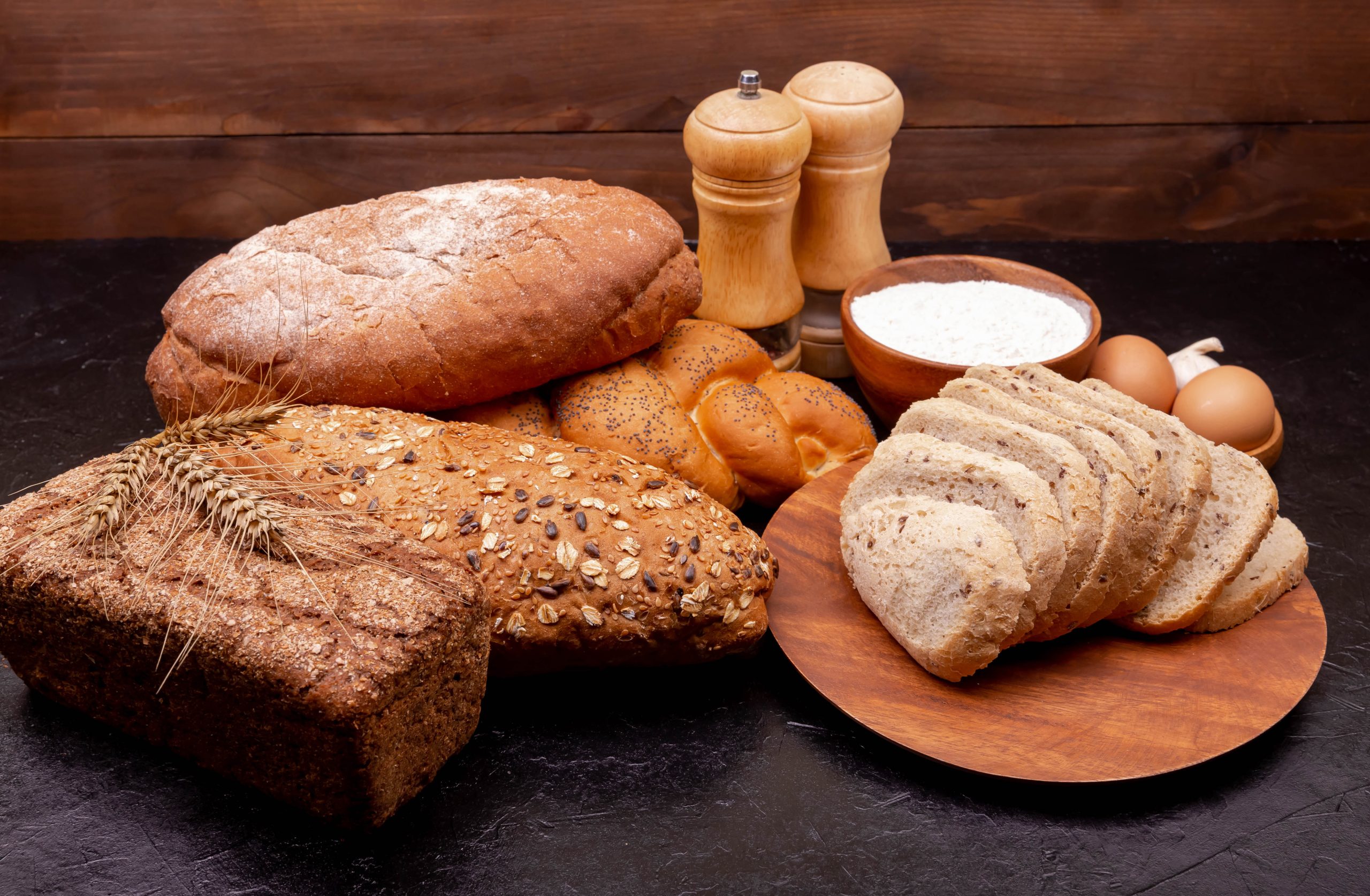
Enzymes are present in microorganisms, plants and animals and act as catalysts in various chemical reactions. This means that they increase the rate of the reactions. Because of this they can be useful in the production of food or certain food ingredients (i.e. flavourings), achieving increased yields or more efficient production processes. Food enzymes are mainly used in the baking industry, wine making and brewing, cheese manufacturing and the production of fruit juices
The domestic list for food enzymes permitted in Great Britain is not yet established. More information about this can be found here Food enzymes authorisation guidance | Food Standards Agency
Until the list is in place, enzymes may continue to be used in food if they meet the requirements of food law and the EU Regulation 1332/2008 on food enzymes. Two food enzymes are presently approved under the EU Food Additives Regulation: lysozyme and invertase. All other food enzymes are exempted from the Food Additives Regulation because they are used solely as processing aids.
Invertase (E1103)
Invertase (E1103) is an enzyme naturally found in human saliva which is produced commercially by fermentation of yeast. The enzyme is used to produce invert sugar (a mixture of glucose and fructose) from sucrose within food products. Invertase is used industrially to make golden syrup from solutions of beet or cane sugar and it is also used in the fillings of confectionery products with soft or liquid centres which can have a firm texture when being made, but if invertase is added the cenre will soften before consumption. It is permitted for use in the EU quantum satis.
Lysozyme (E1105)
Lysozyme (E1105) is an enzyme extracted from egg albumen and it is used to inhibit the growth of the bacteria in hard cheese which causes ‘late blowing’. Its use is only permitted in the EU in ripened cheese and cheese products where it can be used quantum satis.