Additives

Thickeners, Stabilisers and Gelling Agents

Thickeners, Stabilisers and Gelling Agents

Thickeners, Stabilisers and Gelling agents Many additives in this group can be used across these functions. Thickeners provide ‘body’ to food and there are many ways of doing this using gums and starches. Gum use is limited by their potential gummy texture and so...
read more
Sweeteners

Sweeteners

Sweeteners Sweeteners are generally used in foods to reduce the amount of sugar itself, or to moderate sweetness, and fall into two broad groups. Intense sweeteners are many times sweeter than sugar and this group includes the well-known sweeteners saccharin,...

read more
Sequestrants

Sequestrants

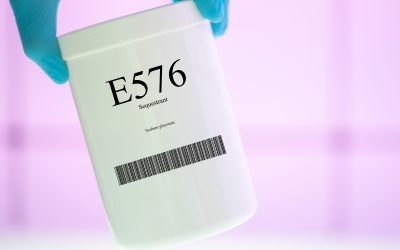
Sequestrants Sequestrants form complexes with metallic ions so that metal ions do not cause unwanted reactions in mixtures such as causing oxidation reactions or coagulation of proteins.Citric acid (E330) Citric acid (E330) is most commonly used in food as an acid,...

read more
Raising Agents

Raising Agents

Raising Agents Raising agents are used to liberate carbon dioxide and increase the volume of a batter or a dough giving it ‘rise’. The carbon dioxide is provided by sodium carbonate or sodium bicarbonate and the addition of an acid or heat. The acid typically used is...

read more
Propellants

Propellants

Propellants Propellants are the gases, other than air, which are used in aerosols to propel the contents from the container.Butane (E943a) and Iso-butane (E943b) Butane (E943a) and Iso-butane (E943b) are colourless, odourless flammable gases derived from natural gas,...

read more
Preservatives

Preservatives

Preservatives As their description suggests these are substances added to foods to protect foods from deterioration caused by bacteria, yeasts and moulds. These micro-organisms can make foods taste bad or make it unsafe to eat either because food poisoning bacteria...

read more
Packaging Gases

Packaging Gases

Packaging Gases Packaging gases are generally used to change the atmosphere inside a food package to decrease the growth rate of microorganisms and to extend the shelf-life of the product. The most common gases used are carbon dioxide and nitrogen.Carbon dioxide...

read more
Modified Starches

Modified Starches

Modified Starches Modified starches are used to provide texture to foods and the word ‘modified’ here means edible starches that have been chemically treated and which may also have undergone physical or enzymatic treatment. Some starches thicken when you heat them,...

read more
Humectants

Humectants

Humectants Humectants are substances that prevent foods from drying out during storage. Gycerol or glycerine is the most common humectant. Some artificial sweeteners such as erythritol, xylitol and sorbitol syrup are also used as humectants and you can find out more...

read more
Glazing Agents

Glazing Agents

Glazing Agents Glazing agents are applied to the external surface of a foodstuff in order to impart a shiny appearance or provide a protective coating.Karaya gum (E416) See thickeners Beeswax (E901) Beeswax (E901) is purified from naturally produced honeycomb and...

read more

Lizzie Vann Foundation

Subribe to stay upto date with our latest news and publications