Modified Starches
Modified starches are used to provide texture to foods and the word ‘modified’ here means edible starches that have been chemically treated and which may also have undergone physical or enzymatic treatment. Some starches thicken when you heat them, some become thinner with heat and the texture they provide can vary from smooth and thick to something more like the texture of fruit pulp. Some physically or enzymatically treated starches are ingredients rather than additives, and there has been a trend to decrease the number of additives on labels by using substances that do not need an E number.
Oxidised starch (1404)
Oxidised starch (1404) is made by treating starch with sodium hypochlorite. Oxidised starches provide soft gels which are more stable in high sugar environments (such as gum confectionery) and are also used to improve the adhesion of batters. They also improve the shelf-life of products and in adhesion batters can improve the visual and eating qualities of battered foods. It is allowed quantum satis in foods except those for young children where it is permitted to a maximum of 50g/kg.
Monostarch phosphate (E1410)
Monostarch phosphate (E1410) starches are chemically modified starches used as freeze-thaw-stable thickeners for simple processes. They also have emulsifying properties and improve the product quality and shelf life of frozen foods as well as improving moisture retention in baked goods which extends shelf life. They are typically used in pie fillings, salad dressings, bakery items and frozen gravies. This additive has quantum satis status except in foods for young children where it is permitted to a maximum of 50g/kg of food. These are used less frequently than distarch phosphates or physically and enzymatically modified starches these days.
Distarch phosphate (E1412)
Distarch phosphate (E1412) thickeners provide short smooth textures in processed foods, producing pastes with a fast ‘meltaway’. These thickeners are stable in heat and acid where some starches might break down but are not recommended in chilled or frozen foods. They are typically used in bottled sauces, salad dressings, dry mix puddings and baked goods. This additive has quantum satis status except in foods for young children where it is permitted to a maximum of 50g/kg of food.
Phosphated distarch phosphates (E1413)
Phosphated distarch phosphates (E1413) are freeze-thaw stable thickeners which can improve the shelf life of foods and these are stable at low temperatures. This additive has quantum satis status except in foods for young children where it is permitted to a maximum of 50g/kg of food.
Aceylated distarch phosphate (E1414)
Aceylated distarch phosphate (E1414) is used as a thickener and stabiliser to maintain granular integrity throughout processing which will be retained even after chilling and freezing. They are typically used in soups, sauces, fruit fillings, chilled and frozen recipe dishes. This additive has quantum satis status except in foods for young children where it is permitted to a maximum of 50g/kg of food.
Acelyated starch (E1420)
Acelyated starch (E1420) when cooked in water rapidly develops a stable viscosity which is maintained on cooling making them easier to cook with and as a tool to extend shelf-life. Aceylated starches can cause curdling in dairy products but are typically used in batters, bread coatings, snacks and confectionery. This additive has quantum satis status except in foods for young children where it is permitted to a maximum of 50g/kg of food.
Aceylated distarch adipate (E1422)
Aceylated distarch adipate (E1422) are thickeners and stabilisers used in processed foods and are used in gravies, soups, fruit preparations and sweet and savoury fillings. This additive has quantum satis status except in foods for young children where it is permitted to a maximum of 50g/kg of food.
Hydroxypropyl starch (E1440)
Hydroxypropyl starch (E1440) are modified starches which bind water at lower temperatures than their parent native starches and offer low temperature stability to foods such as meats, beverages and low-fat and low-calorie products. They are permitted quantum satis but are not permitted in foods for babies and young children.
Hydroxyl distarch phosphates (E1442)
Hydroxyl distarch phosphates (E1442) produce a mouthfeel which enhances low-fat and ow calorie or fat-free products. Their high viscosity allows lower usage rates than is the case with native starches and they can give a number of processing benefits for rapid cooking. They are used in gravies, soups, sauces, mayonnaise, dressings, sweet and savoury fillings, fruit preparations, dairy products and chilled and frozen recipe dishes. They are permitted quantum satis but are not permitted in foods for babies and young children.
Starch sodium octenyl succinate (E1450)
Starch sodium octenyl succinate (E1450) are effective emulsion stabilisers and are used in spray dried foods and foods needing good shelf-life stability. They are used where flavours may be spray dried before food use, beverage emulsions, emulsified sauces and mayonnaises. They are permitted quantum satis.
Aceylated oxidised starch (E1451)
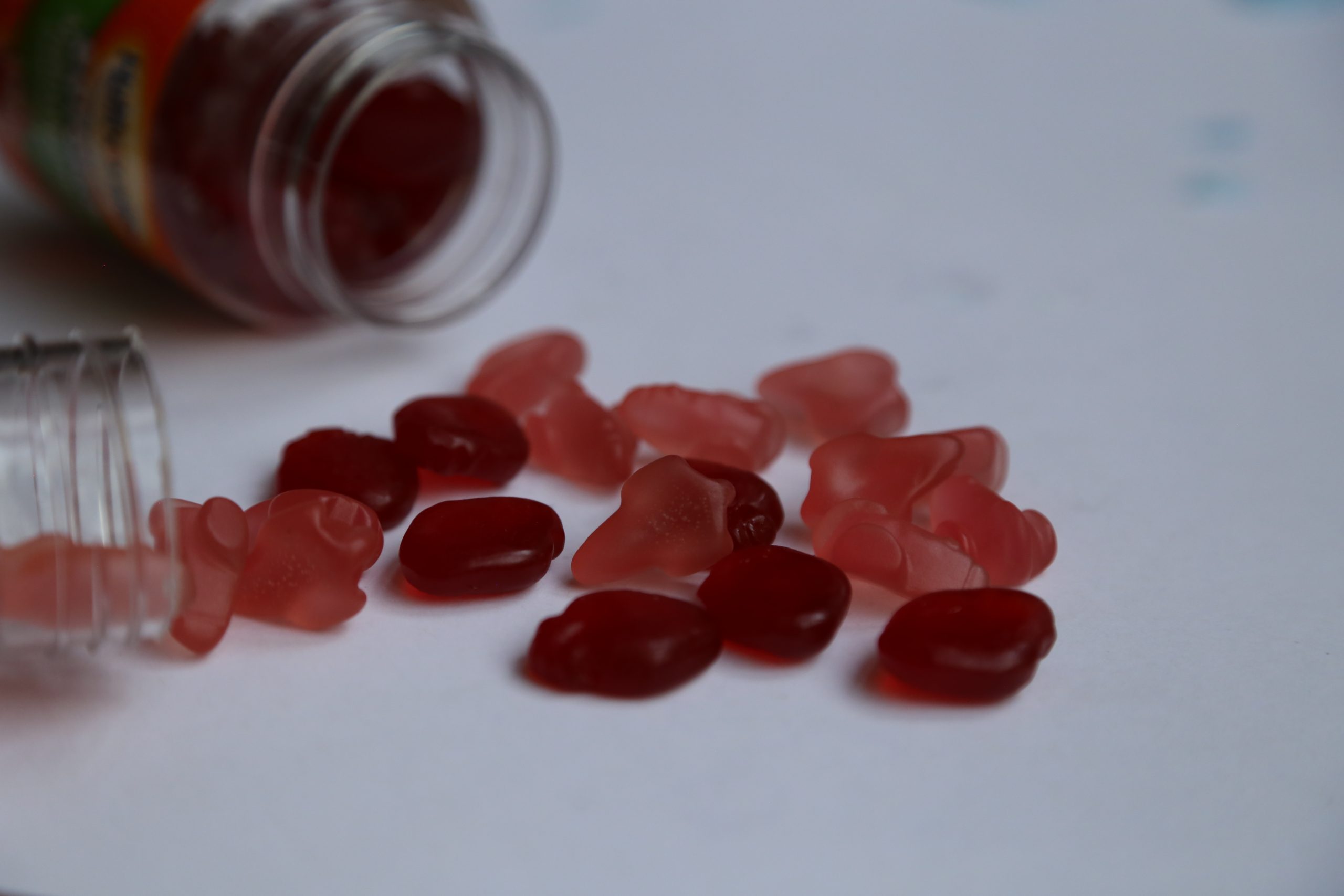
Aceylated oxidised starch (E1451) are used as binding and gelling agents in soft sugar confectionery as they have lower gelatinisation temperatures and hot viscosity and are stable for low temperature storage. They can be used as alternatives to gelatine or gum Arabic. They have quantum satis status.
Starch aluminium octenyl succinate (E1452)
Starch aluminium octenyl succinate (E1452) this starch is only permitted for use in food supplements and it is mostly used to stop microencapsulate vitamins from sticking together.