Carriers
Carriers are able to encapsulate the flavour of a liquid or food and are used to dilute, disperse or dissolve a food additive or nutrient without altering its function.
Ethyl cellulose (E462)
Ethyl cellulose (E462) is made from wood pulp or cotton by treatment with alkali and ethylation eith ethyl chloride. It is insoluble in water and is used as a carrier in pharmaceutical preparations and food supplements.
Ammonium sulphate (E517)
Ammonium sulphate (E517) is a white solid produced by passing ammonia gas into sulphuric acid solutions and is used as a carrier for flavours. It is only permitted in the EU as a carrier in food additives and food enzymes but can be used quantum satis.
Silicon dioxide (E551)
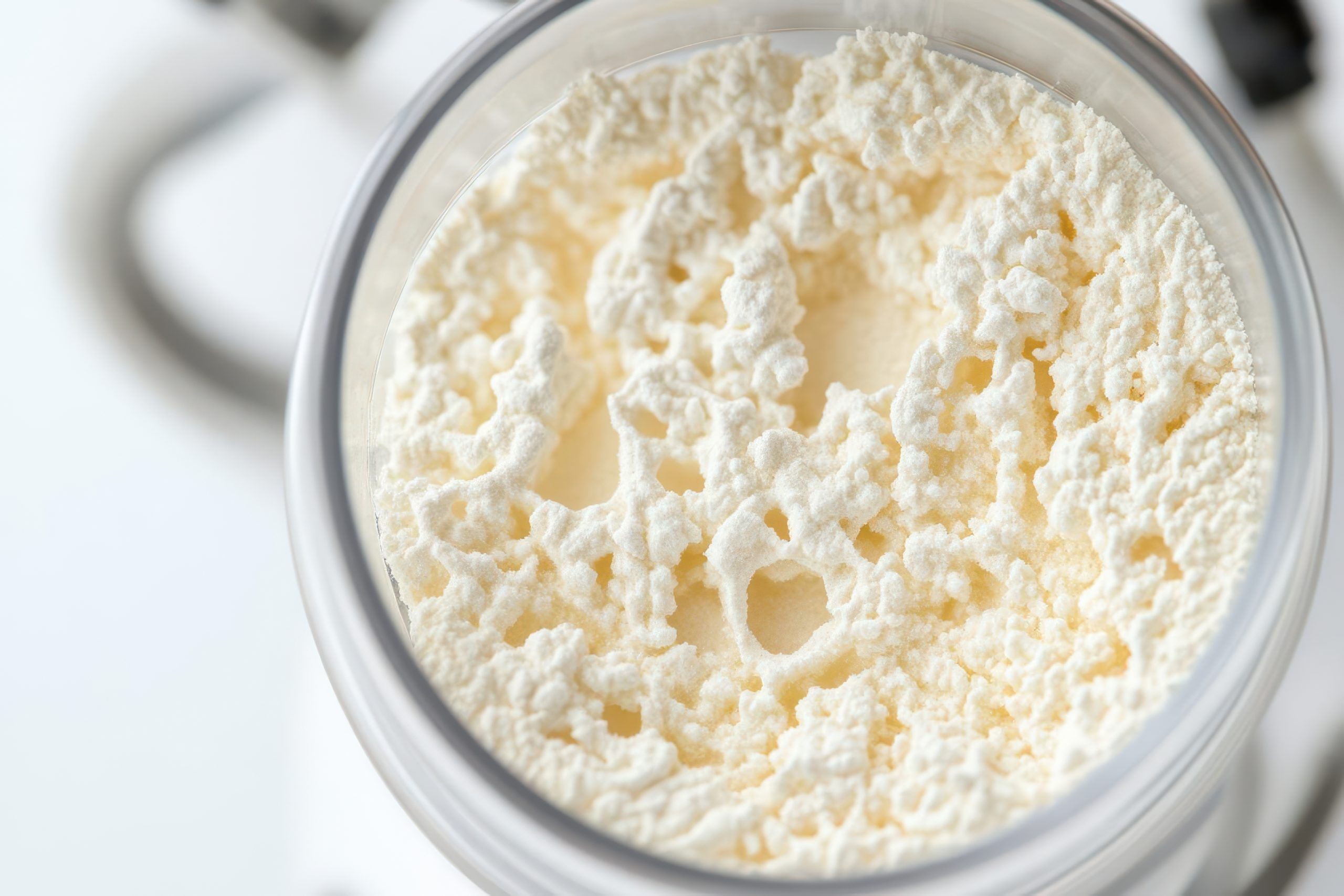
Silicon dioxide (E551) is found in nature as sand but is synthetically produced commercially as either a silica aerogel which is a microcellular silica or hydrated silica. Food grade silicon dioxide is an extremely fine powder and its high surface area to weight allows it to be used as a carrier. In the EU it is allowed quantum satis as a carrier for emulsifiers and colours with some limits for dry preparations of polyols and emulsifiers.
Talc (E553b)
Talc (E553b) is a naturally occurring form of magnesium silicate and is permitted in the EU as carrier for colours up to 50mg/kg.
Potassium aluminium silicate (E555)
Potassium aluminium silicate (E555) is primarily used as a free flow agent in food powders but it can also be used as a carrier and was permitted in the EU as a carrier for the colour Titanium dioxide (E171) until this was removed from the permitted additive list and iron oxides and hydroxides (E171 and E172). For more information about Titanium oxide which has been passed as safe in the UK see (cross-link to colour).
Triethyl citrate (E1505)
Triethyl citrate (E1505) is made by reacting citric acid with ethanol and is an odourless and colourless oily liquid. Triethyl citrate is used to increase the rate at which rehydrated egg white powder forms a stable foam, as an antifoaming agent, sequestrant, stabiliser and solvent carrier. It is permitted in the EU in food flavourings to a maximum of 3000mg/kg.
Glyceryl diacetate (E1517)
Glyceryl diacetate (E1517) also known as diacetin is made from reacting glycerol with acetic acid or acetic anhydride and it is soluble in water and in alcohol. It is used as a carrier solvent for flavourings and is permitted in the EU to a maximum of 300mg/kg of product.
Benzyl alcohol (E1519)
Benzyl alcohol (E1519) is a natura component of edible fruits, green and black tea and a number of essential oils. It is produced commercially from toluene. It is used as a carrier for flavourings and is approved for use in food and pharmaceuticals and cosmetics. In the E benzyl alcohol is permitted as a carrier for flavourings in liqueurs and wone products to a maximum of 100mg/litre and in flavourings used in confectionery and bakery products to a maximum of 250mg/kg of food.
Propane -1,2-diol (E1520)
Propane -1,2-diol (E1520) also known as Propylene glycol is produced by heating glycerol with sodium hydroxide and it is used as a carrier for enzymes and flavourings. It is permitted only for these purposes in the EU up to a maximum of 500mg/kg in enzymes and 3000mg/kg used individually or in combination with E1505, E1517 and E1518.