Antifoaming Agents
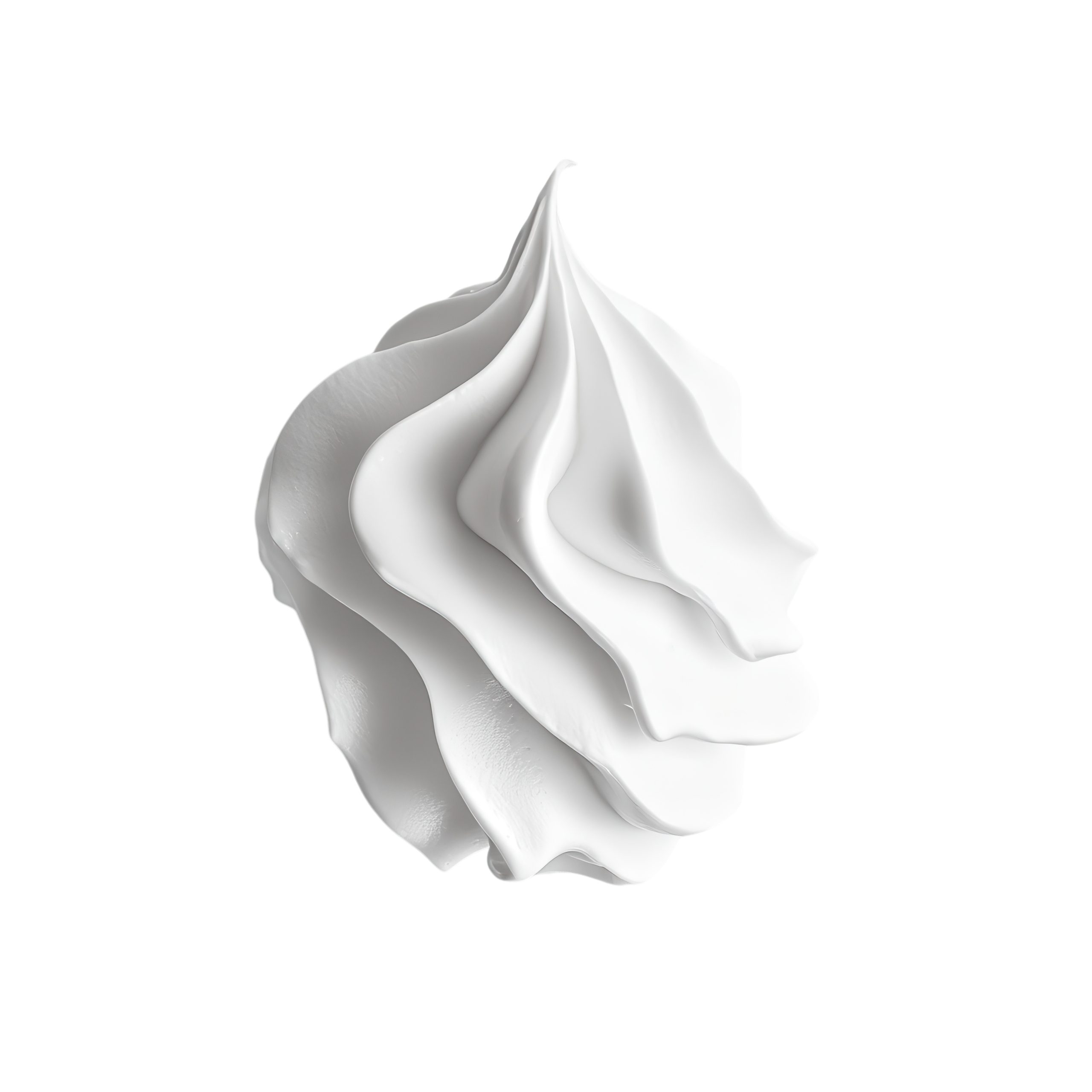
When hot liquids are poured in their containers they may ‘foam’ up and touch the lip of the container they are poured into which must stay clean for subsequent sealing. Antifoaming agents are used to stop the product foaming up as it is packaged.
Polyoxyethylene (40) stearate (E431)
Polyoxyethylene (40) stearate (E431) is made by reacting stearic acid with polyoxyethylene and is used to inhibit the foaming during the fermentation of wine. Within the EU it is only permitted in some imported wines at levels not exceeding 18mg/litre. It is not permitted in wine made in the EU.
Sorbitan esters: sorbitan monostearate (E491), sorbitan tristearate (E492), sorbitan monolaurate (E493), sorbitan monooleate (E494) and sorbitan monopalmitate (E495)
Sorbitan esters: sorbitan monostearate (E491), sorbitan tristearate (E492), sorbitan monolaurate (E493), sorbitan monooleate (E494) and sorbitan monopalmitate (E495) are produced by the reaction of the appropriate fatty acid with hexyl anhydride (derived from sorbitol E420). They are used as anti-foaming agents in the production of beet sugar, boiled sweets and preserves. They tend to be used in mixtures with each other and are permitted in a range of products with a maximum for each foo, They have been allocated an ADI of 0-25mg/kg body weight.
Triethyl citrate (E505)
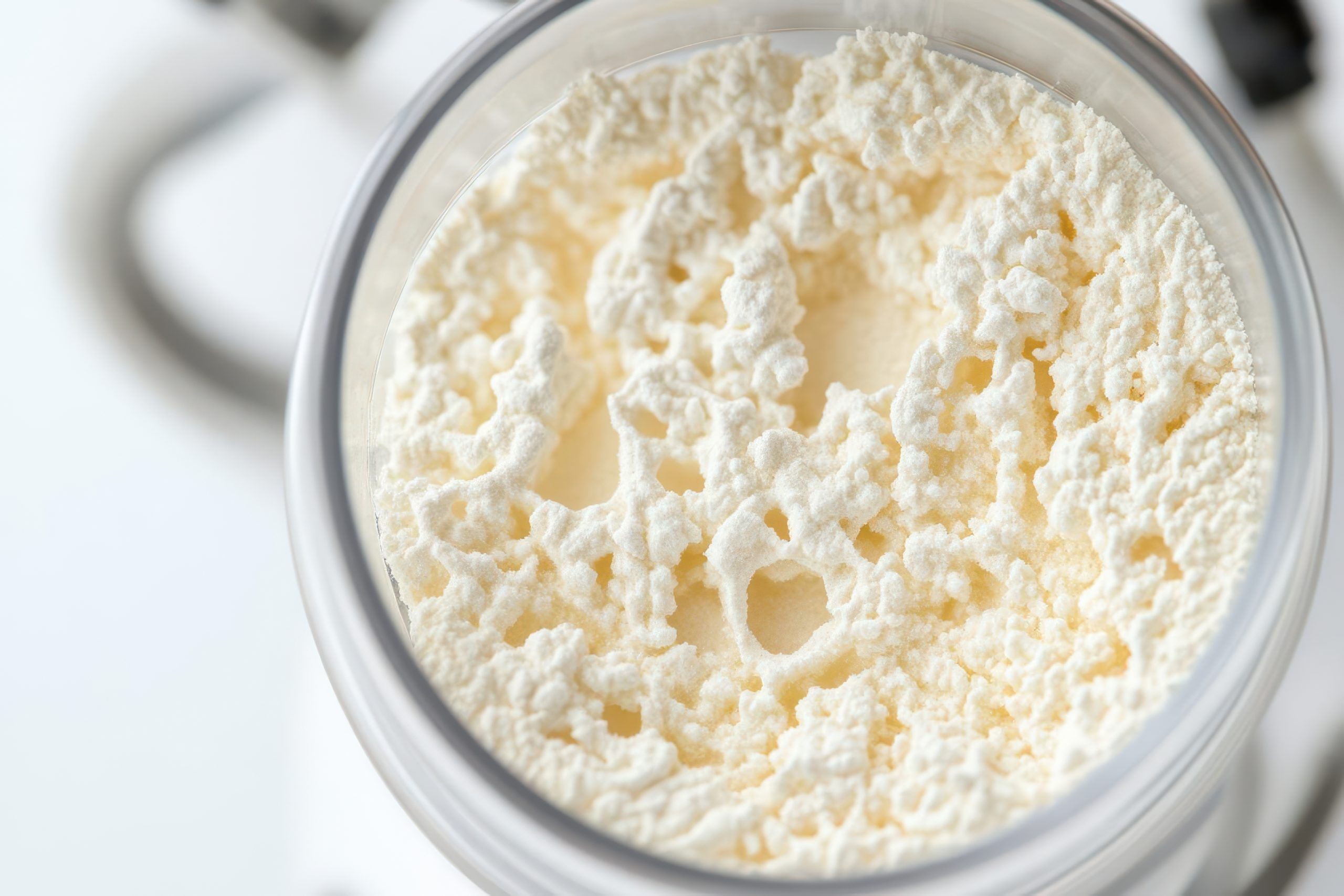
Triethyl citrate (E505) is made by reacting citric acid with ethanol and is used to increase the rate at which rehydrated egg white powder forms a stable foam. It is also used as an anti-foaming agent, sequestrant, stabiliser and carrier. In the EU its use is limited to dried egg white, processed eggs and eggs products at quantum satis and to a maximum of 3500mg/kg in food supplements. In regulation 1130/2011 it is permitted in food flavourings to a maximum of 3000mg/kg.
Fatty acids (E570)
Fatty acids (E570) include stearic, palmitic and oleic acids made from fractionation of natural fats from animal or vegetable origin. They are used both as anti-foaming agents and as plasticizers in chewing gum. They have quantum satis status in the EU.
Dimethyl polysiloxane also known as silicone, silicone oil or dimethly silicone (E900)
Dimethyl polysiloxane also known as silicone, silicone oil or dimethly silicone (E900) is made from silica and oil derived chemicals and acts as a surfactant to stabilise foams, or at higher concentrations to collapse foams. It is used in products like jam, batters, fruit spreads, canned and bottled fruit, confectionery, carbonated drinks, cider and commercial cooking oil. It is permitted for use in the EU in a range of products to a maximum of 10g/kg with an ADI of 0-1.5m/kg/body weight.